Understanding Dementia Care:What You Need to Know
Understanding dementia care is essential for both individuals and caregivers. Recognizing the initial symptoms, such as loss of memory and communication challenges, can lead to prompt treatment. Various forms of dementia, including Alzheimer's and vascular dementia, present unique challenges. A supportive environment and well-developed care approaches can greatly enhance standard of living. However, emotional challenges and legal factors make difficult the care provision process. What approaches can ensure comprehensive assistance while tackling these intricacies?
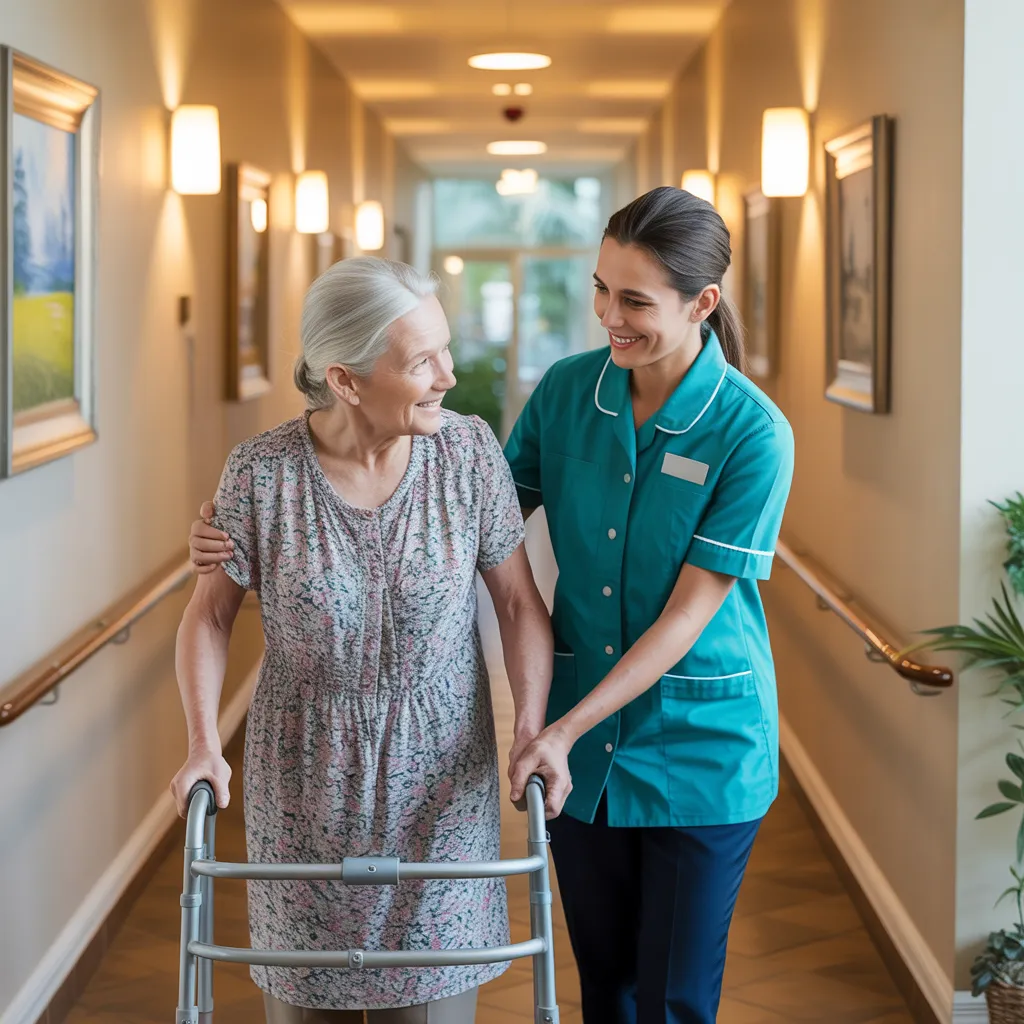
Identifying the Initial Signs of Dementia
How does one detect the first symptoms of dementia? Recognizing the initial indicators is crucial for timely intervention. Common symptoms encompass memory loss, especially missing recent events or conversations. People may also face difficulty in planning or organizing tasks, causing confusion in daily activities. Shifts in language skills, like having difficulty to find the correct copyright or follow conversations, often appear.
Moreover, a person might demonstrate alterations in mood or behavior, ranging from increased irritability to social isolation. Difficulty in recognizing familiar places or faces can also emerge. These signs may be inconspicuous at first, but their progression can markedly impact daily living. Awareness of these early symptoms allows for appropriate discussions with healthcare providers, facilitating early assessments and potential support options. Understanding these signs is essential for both the individual and resource their loved ones in maneuvering the complexities of dementia care.
What Are the Various Types of Dementia?
Knowing the first signs of dementia is simply the first step of handling the intricacies of the condition. Dementia is an umbrella term that covers different forms, each with unique features and underlying causes. Alzheimer’s disease is the most common form, marked by the gradual loss of memory and cognitive abilities. Vascular dementia comes next, often due to strokes, leading to impaired judgment and reasoning. Lewy body dementia shows variability in attention, visual hallucinations, and motor symptoms like Parkinson’s disease. Frontotemporal dementia affects younger individuals, causing changes in personality and behavior because of brain degeneration in the frontal and temporal lobes. Other types comprise mixed dementia, which merges characteristics of multiple forms, and normal pressure hydrocephalus, known for fluid buildup in the brain. Knowing these types is essential for proper diagnosis and care approaches, in the end enhancing the quality of life for people experiencing dementia.
Developing a Encouraging Surrounding for Dementia Services
Constructing a caring atmosphere for people with dementia involves meticulous consideration of their living spaces and mental requirements. Protected residential areas diminish dangers and strengthen independence, while memory reinforcement approaches can support in interaction and memory. Working together, these elements nurture a sense of protection and well-being for those touched by dementia.
Safe Living Spaces
A thoughtfully designed living space can greatly enhance the standard of living for individuals with dementia. Building safe living spaces requires eliminating hazards and promoting independence. Excess items should be removed to prevent falls and disorientation, while clear corridors support movement. Sufficient illumination is essential; brightly illuminated areas help individuals move through their environment with ease and lower stress. Adding recognizable items can supply comfort and a connection to home. Furthermore, applying different color contrasts to walls and floors can improve orientation abilities. Protected garden areas allow risk-free discovery, promoting physical activity. Fundamentally, deliberate design choices establish a nurturing environment that strengthens independence and improves living experiences for those living with dementia.
Memory Fortification Strategies
Memory reinforcement techniques function as an crucial role in helping individuals with dementia by enhancing recall and promoting a sense of security. These methods include the use of cognitive aids, such as visual cues, labels, and photographs, which can help individuals traverse their surroundings and trigger memories. Consistency in routines and known environments further enhances cognitive function. Engaging in reminiscence therapy, where individuals recount past experiences, also encourages mental stimulation and emotional connection. Additionally, promoting social interactions can stimulate memory recall and reduce feelings of isolation. These techniques not only aid memory but also contribute to overall well-being, helping individuals with dementia maintain a sense of identity and connection to their past. Creating a nurturing environment is vital for effective dementia care.
Premier Strategies for Delivering Effective Dementia Care
Effective dementia care copyrights on the adoption of person-centered approaches and interaction strategies adjusted to specific requirements. By prioritizing the preferences and experiences of those with dementia, care providers can establish a more nurturing setting. Additionally, utilizing clear and compassionate communication can greatly enhance interactions and understanding.
Person-Centered Care Strategies
Implementing person-centered care strategies significantly improves the quality of life for individuals diagnosed with dementia. This method focuses on the unique preferences, essential requirements, and important factors of every person, making certain that care is specifically tailored to each one. By cultivating a helpful and respectful environment, caregivers can encourage autonomy and engagement, helping persons to retain a sense of identity. Engagements should be connected to the person's past interests and patterns, supporting meaningful interactions and alleviating anxiety. Collaborative decision-making further empowers individuals and their families, strengthening their participation in the caregiving procedure. Training caregivers in these approaches is essential, as it equips them with the skills to respond empathetically and effectively to the fluctuating demands of those with dementia.
Powerful Dialogue Tools
Clear and compassionate communication is essential in dementia care, as it greatly impacts the welfare of individuals affected by the condition. Effective techniques include using simple language, maintaining eye contact, and talking at a slow pace to enhance understanding. Body language, such as gestures and face movements, can also support verbal communication, offering additional information. It's vital to validate feelings and experiences, even if they are rooted in false beliefs, to foster trust and reduce anxiety. Paying close attention and allowing ample space for responses encourages engagement. Additionally, reducing distractions in the environment can further enhance focus. Overall, using such approaches creates a caring atmosphere, enabling individuals with dementia to be valued and comprehended, thereby improving their quality of life.
Overcoming Psychological Obstacles in Dementia Support
While care providers generally handle dementia care with empathy and commitment, they often face significant psychological difficulties that can influence both their health and the quality of care rendered. Feelings of anger, grief, and loneliness are prevalent as care providers manage the complexities of the disease. The psychological burden can lead to exhaustion, limiting their capacity to offer reliable assistance.
To overcome these hurdles, caregivers can gain creating coping strategies, such as setting up daily routines and defining realistic goals. Engaging in self-care practices—like physical workouts, hobbies, or awareness exercises—can help maintain emotional stability. Additionally, fostering open communication with family members and friends permits caregivers to share their burdens, lessening social isolation. Recognizing the importance of asking for assistance when needed is crucial; caregivers must focus on their psychological well-being to copyright their caregiving roles properly. By managing these emotional challenges, caregivers can boost both their well-being and the care they offer to those with dementia.
Tools and Assistance for Care attendants
Managing the obstacles of dementia care can be challenging, but extensive resources and support systems are available to assist caregivers. Major groups, such as the Alzheimer's Association, provide educational materials, helplines, and local support groups that build connection among caregivers. Online communities and websites furthermore offer a venue for sharing experiences and advice, allowing caregivers feel less isolated.
Moreover, respite care services enable caregivers brief respite, permitting them to recharge and maintain their well-being. Local community hubs often organize workshops and skill-training sessions to supply caregivers with vital skills for managing daily challenges. Additionally, various health professionals can recommend therapeutic support options designed to address the psychological toll of caregiving. Through accessing these resources, caregivers can deepen their understanding, cultivate strong community networks, and eventually raise the standard of support they render, ensuring both their own needs and those of their cherished ones are met.
Planning for the Future: Legal and Financial Tips
As loved ones' supporters handle the difficulties of helping close relatives with memory loss, planning ahead proves to be a considerable matter. Legal and financial steps can markedly ease tension and confirm that the needs of people with memory loss are satisfied. Caregivers ought to consider forming powers of attorney for medical and financial needs, permitting trusted parties to determine outcomes when required. Furthermore, preparing a living will can specify preferences regarding treatment options.
It is important to evaluate current financial resources and plan for potential extended care expenses. This may involve consulting with financial planners who specialize in elder care to investigate coverage plans or government benefits. Furthermore, organizing important documents, such as wills and medical records, can streamline procedures during crises. By addressing these legal and financial aspects in advance, caregivers can safeguard their family members' well-being and offer a more definitive path forward amidst the challenges of dementia.
Often Requested Questions
How Do I Engage More Effectively With Someone Who Has Dementia?
To converse better with someone who has dementia, one should employ simple, understandable speech, sustain direct eye contact, be patient, listen actively, and honor their emotional responses, fostering a supportive environment that encourages understanding and connection.
What Are the Frequent False Beliefs About Dementia?
Frequent misconceptions about dementia include the beliefs that it only impacts memory, is inevitable with aging, and cannot be managed. Additionally, many underestimate the emotional impact on individuals and families, often viewing dementia as a purely medical condition.
How Can Dementia Alter Dynamics With Family and Friends?
Dementia can stress connections with family and friends, often causing miscommunications, emotional distance, and changed relationship patterns. Care providers may feel overwhelmed, while family members might find it difficult to relate as interaction and memory diminish significantly.
What Actions Ought I Take During a Dementia Crisis?
Should a dementia emergency arise, it is crucial to stay composed, secure safety, and evaluate the situation. Contact medical experts for direction, provide comfort, and create a caring atmosphere to help ease distress for the person.
How Should I Focus On Personal Wellness as a Caregiver?
Caregivers must emphasize self-care by establishing boundaries, obtaining help from peers or group support, participating in consistent exercise, maintaining healthy nutrition, and ensuring space for relaxation and hobbies to restore mentally and physically.